Olive & June Cuticle Serum Pens vs. Essie Apricot Cuticle Oil
Compare a portable serum pen with a brush-on oil bottle for desk use, weekend manicures, and the time you have to let the finish settle.
In this guide
On a Sunday evening, a small bottle and its brush are easy to set next to your nail file. The same bottle may be awkward when you want to touch up the skin around a nail before a meeting. You have to find a level spot, set down the open container and put the brush back while keeping the product off your keyboard. A capped pen puts the container and applicator in one hand. It is a useful change if access is the problem, but it may not feel the same as the oil you use at home.
The Olive & June Cuticle Serum Duo and Essie Apricot Cuticle Oil make the difference easy to see. Olive & June sells the serum in two pen-style applicators in the linked set. Essie directs you to brush its oil onto the nail and the skin around it. These are different formulas as well as different containers. The comparison is based on the brands’ descriptions and directions. It does not assume that the serum dries faster, that the oil does more, or that either product wears a particular way on everyone.
Decide when you will actually reach for it
Start with the moment you want to add to your routine. If you want a quick step after a handwash at a desk, think about where the pen would sit and what your hands will touch afterward. You may want a small amount that you can place without reaching for a towel. If you would use the product at night after taking off your rings, a brush bottle on a stable tray gives you more room to set up and more time before you pick up anything else. Those habits tell you more than a general preference for oil or serum.
A portable format can work particularly well for someone who routinely notices one or two dry-looking areas but does not have time for a full manicure. You can focus on the area that interests you and cap the applicator before leaving the room. The portability matters only if you know where the item will live. A pen at the bottom of an unorganized bag may be no easier to reach than the bottle you left at home. If you plan to use both pens in a set, identify two specific locations instead of buying a spare automatically.
A brush bottle suits someone who likes doing all ten nails at the same time. It can sit with your file and polish so the last step is easy to remember. If your tools live in a bathroom drawer, check that the bottle can stand without being knocked over and the cap will close fully. For a person who uses nail products only on weekends, one bottle in a known place may be more practical than two pens scattered across bags.
Compare how the product is dispensed
A pen can remove the need to balance a separate open container. Check the manufacturer’s directions for getting product into the applicator on first use. Different pen mechanisms can take more or less effort to prime, and the amount that comes out depends on the design and how you use it. Start with the amount the label suggests. If the applicator is already wet from previous use, there may be enough product for one small area without loading it again. Keep the cap secure so the applicator does not touch the inside of your bag.
With a brush bottle, you can see the amount on the brush as you lift it from the container. If it is heavily loaded, the edge of the opening may let you leave some product behind before applying. Hold the bottle on a stable surface, because you will need a place to return the brush between hands. If you enjoy painting your nails, the action may feel familiar. If you struggle to work with the non-dominant hand, try the motion with a bottle you already own before selecting this format for everyday use.
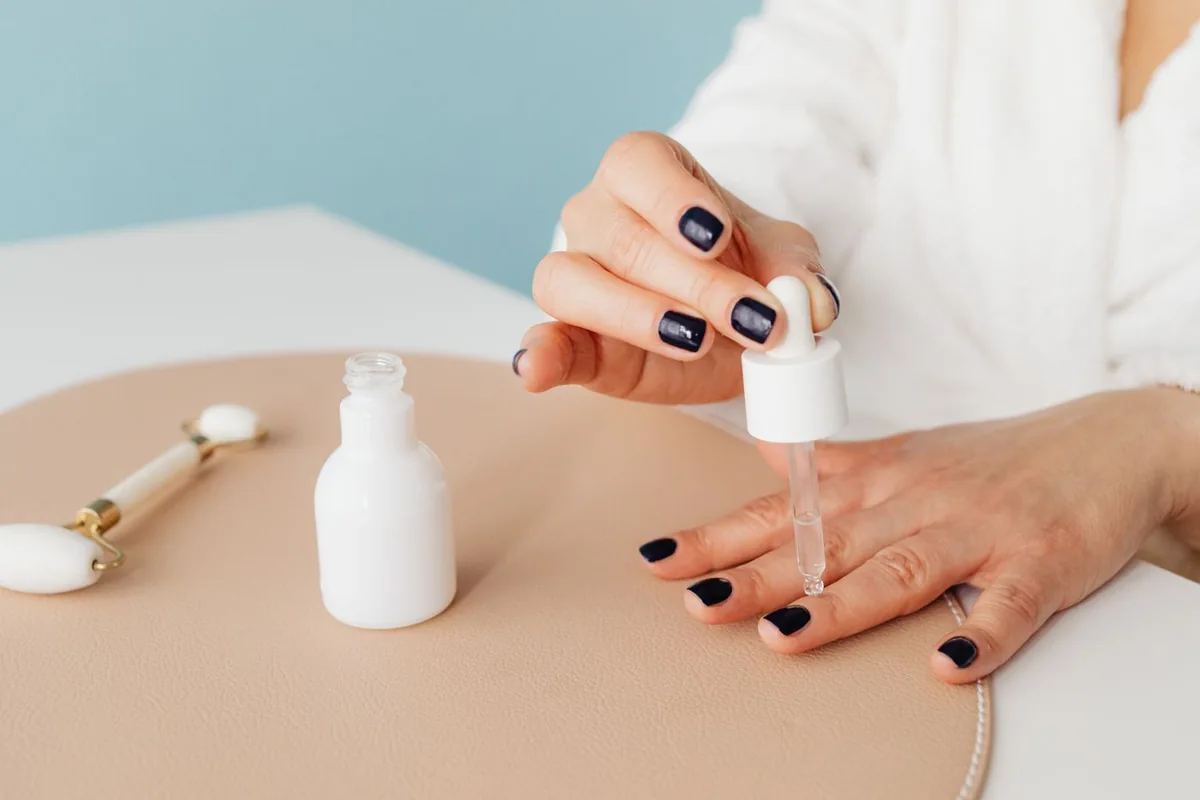
A dropper bottle is a third arrangement. It can be useful for someone who prefers to dispense a small amount into a clean palm first and spread it with a fingertip. It still requires handling a separate container and gives you less help with targeting an individual nail than a small brush. Consider it if spreading product with your fingers suits your routine. A dropper does not solve a lack of counter space simply because it is a different applicator.
| When you plan to apply it | Format that fits the situation | What to check |
|---|---|---|
| A quick step at a desk | Pen-style applicator | Closure stays on and you can put it back with one hand |
| At the end of a weekend manicure | Brush bottle | Brush is easy to control and you have a level surface |
| While traveling | Small container you can identify and pack upright if practical | Carry-on requirements and the exact container size |
| Occasionally after washing your hands | Product you already keep nearby | You need a separate nail product often enough to use it |
Think about the finish and what you do next
If you will pick up paper, a phone or a pen immediately afterward, the amount and placement matter. A light application to a small area may be more convenient than applying across the whole nail and surrounding skin while you are in a hurry. Give the product time to settle in the way its instructions describe. If you prefer to use more at once, save that part of the routine for a time when you will not be handling something you want to keep clean.
Check whether a fragrance or particular ingredient matters to you. The Essie product name describes the brand’s oil. The Olive & June product name describes a serum in a pen. Neither label tells you which finish you will like or which scent will be comfortable in a small shared room. Read the current ingredient lists for the exact products. If you have a preference based on a product you already use, compare that detail directly rather than assuming that all pen products share a finish.
If you are about to paint your nails, sequence the routine according to the directions for your polish. A step intended for the end of a manicure may not fit before the base coat. Leaving the oil or serum until later is also an option if you are still getting used to how much to apply. You can make nail care easier to repeat without adding steps at the same moment you are trying to get the polish finished.
For a shared household, keep this item in the space where you normally use your personal nail tools. A brush that sits in its bottle goes back into the formula each time it is used. If several people would reach for the same item, give everyone an easy way to identify their own product or choose a routine that does not involve sharing the applicator. At home, a bottle that can stand beside a file is convenient. In a bag, store the pen where the cap can stay on and the outside will not collect dust or makeup from loose items.
When the pen or the bottle is worth buying
Choose the Olive & June set if you specifically want pen-style application in two places and you would use a targeted step regularly. Consider Essie’s brush-on oil if you usually do your nails at a stable surface and prefer an applicator you already understand from using nail polish. Keep the product you have if the formula is working and it is easy to use when you actually want it. If you like a hand moisturizer you already keep by the sink and only occasionally want more around the nails, start there before buying a separate format. A cuticle product earns its place when the applicator makes a small, repeatable task easier.