Real Techniques Everyday Essentials vs. Building a Three-Brush Kit
Decide whether the Real Techniques Everyday Essentials kit or three individual brushes fit the makeup you already own.
In this guide
A starter brush set looks sensible until you empty your makeup bag on the table and realize you wear skin tint, a cream blush stick and brow gel most weekdays. Only one or two tools in the set may have a regular job. Someone who does powder blush, pressed powder and eyeshadow on the same morning could use far more of it. Before you compare piece counts, count the textures you apply and the places where you actually wish you had a different tool.
This guide compares the contents and uses published for the Real Techniques Everyday Essentials Makeup Brush Set with an à la carte approach. The e.l.f. Ultimate Blending Brush and the Real Techniques Expert Face Makeup Brush are examples of individual complexion tools you can compare against the functions you need. This is a comparison of shapes and use cases. It does not assume the same performance with every formula.
Make a brush list using your actual makeup
Put the products you wear most often in front of you. Include the powder you use only near your nose and the eyeshadow you apply with a fingertip. Next to each item, write what is bothering you now. If your tinted moisturizer spreads evenly with your hands and you like the finish, foundation does not automatically deserve a new brush. If cream blush lifts the tint underneath when you blend, a small brush that lets you press at the edge could give you more control. If the eyeshadow you use is a single cream stick, you may prefer a fingertip for the edge and need no eye brush yet.
Group your needs by movement. A complexion tool might help you spread product over a wide area. A smaller cheek tool might be useful for pressing color where you want it. An eye brush could blend the edge of a powder shadow where a larger tool is awkward. That inventory is more informative than the labels on a multipack. A set can include a tool for a technique you have never used. A small kit can be more adaptable if it gives you a head for each movement you repeat.
Separate items you use for different colors or formulas when residue would get in the way. The brush that still holds yesterday’s rosy blush can leave color in the place you wanted translucent powder. Using one brush for both jobs may work if you clean it between uses, but that cleaning is part of the real cost of owning fewer tools. A dedicated powder brush can be useful even if you use it only in a narrow area.
What the Everyday Essentials kit offers
The Everyday Essentials set pairs several brushes for face and eye tasks with a complexion sponge. That range is appealing if you apply several formats and are starting with little or no usable kit. Check the contents for the exact set on the page before ordering. Brands often sell packs with similar names or illustrations, and a larger bundle may simply include more of a tool you already have. A sponge counts as one piece, so it is not another brush head you can swap between formulas.
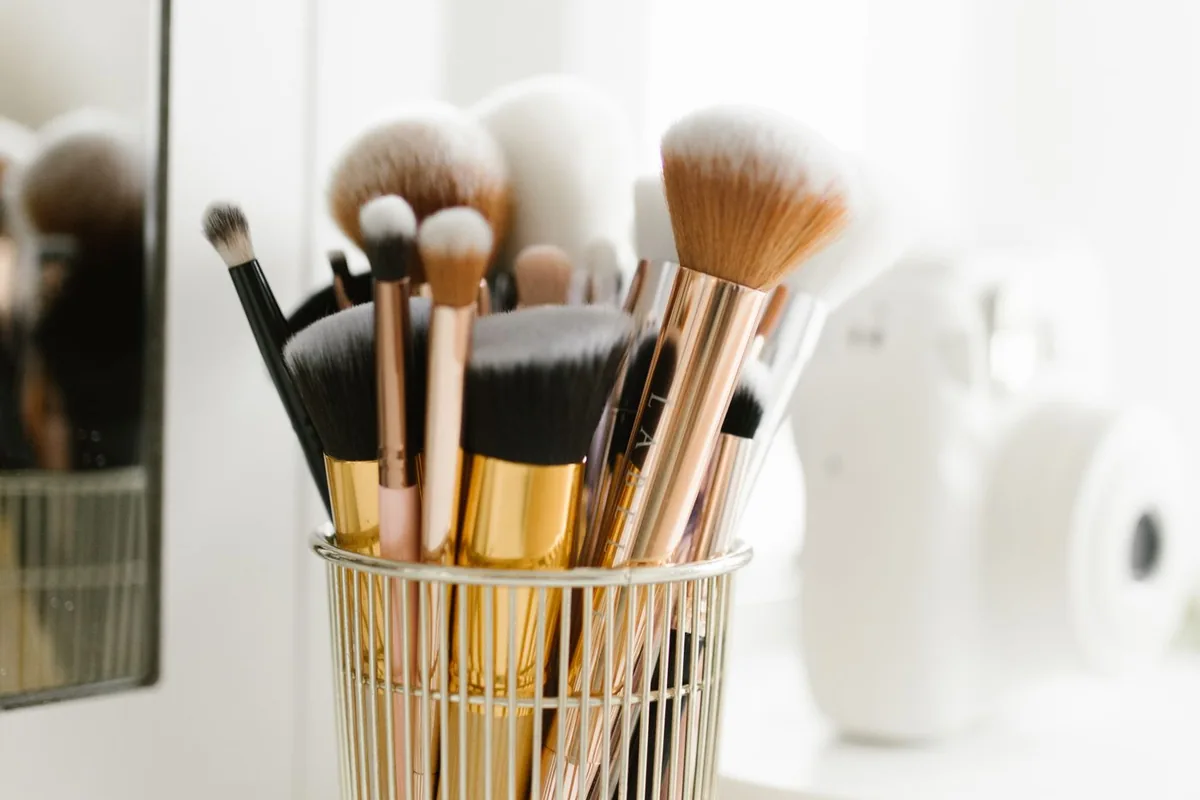
The brand lists a 400 Blush Brush, 300 Deluxe Crease Brush, 402 Setting Brush, 200 Expert Face Brush and Miracle Complexion Sponge in the linked kit. That gives you two different ways to apply a complexion product, alongside dedicated cheek, powder and eye shapes. If you use only one complexion tool, count the second as a backup rather than treating all five pieces as five daily jobs.
The main advantage of a mixed set is having tools ready for the different stages of a routine. If you apply complexion makeup with a sponge, blush with one brush, powder with another and shadow with a small brush, those distinct items may all earn a place. You can put the set through the same wash cycle instead of gradually buying a series of similar brushes and discovering that none is small enough for your eye makeup.
The compromise is that a preset assortment may distribute its pieces differently from the way you use makeup. Someone who uses two powder shadows daily and seldom wears foundation might prefer two eye shapes and one cheek brush. Someone who wears cream products and cleans their brushes infrequently might want separate dense heads for complexion and blush. If the sponge is the only item that makes the bundle feel complete, check what you would pay for it alone before paying for the rest of the assortment.
Build a three-tool kit one gap at a time
Start with the product that is hardest to place. For cream blush, choose a head you can press onto the cheek without covering a wider area than you intended. A densely packed brush can make a small amount of color easy to place, but it can also concentrate pigment if you load it heavily. Pick up a little product, tap or work it into the brush, and apply in thin passes. If your existing complexion brush is large enough to cover most of the upper cheek in one stamp, you may be able to use it for blending the edge while applying the color with a fingertip.
For powder, compare head size with the area you actually set. A loose fluffy brush that works across the whole face may cover too much area if you mainly powder under glasses or around the sides of your nose. A smaller soft brush lets you add powder to the places that need it without changing the finish over your cheekbones. If you use a pressed powder and a separate blush, consider having different tools for the two colors before adding a contour shape.
For eyeshadow, a single soft blending brush can be enough when you apply one shade with your finger and use the brush only to soften the border. If you place powder along the lash line, a short, more controlled head will be easier to position. Buying a large face set for that one detail brush is unnecessary if you already own a functional face tool. If your current cream shadow spreads neatly without a brush, leave the eye slot empty until you have a reason to fill it.
| Your usual makeup | Where the set can help | A smaller way to start |
|---|---|---|
| Liquid base, powder blush, and shadow | Several tools have regular separate jobs | Start with the one step that currently looks uneven |
| Cream tint and blush with little powder | A sponge and one brush may be all you use | A complexion or cheek tool chosen for the area you blend |
| Powder around nose and glasses only | A broad brush may cover more than you need | One smaller brush for precise powder placement |
| Mostly cream eye color | An eye brush may be optional | Blend the edge with a clean fingertip first |
Decide which pieces are worth cleaning
A brush that is difficult to wash and dry often falls out of rotation. Think about where you would leave a damp brush and how long your bathroom usually takes to dry out after a shower. Consider handle length if you work close to a mirror and whether a broad brush head can fit in a travel sleeve without being crushed. If you are buying brushes for a shared bathroom, label or store them separately so you can keep track of what has already been used. Follow the manufacturer’s cleaning directions instead of assuming the same treatment suits every head and handle.
For a single complexion purchase, compare the size and density of candidates such as the e.l.f. Ultimate Blending Brush or the Real Techniques Expert Face Makeup Brush against the area you cover each morning. Look at the head shape in side profile and the retailer’s exact variant. The label foundation brush does not tell you how narrow it will feel around the nose. If you still apply foundation with your fingers, start with a tool for the cheek or powder instead.
Buy the Everyday Essentials set if you can assign at least several pieces to products you apply regularly and you like having separate heads for those tasks. Buy individual brushes if your makeup routine is established and the gap is specific. Start with one, use it through a wash cycle, then decide if a second brush would remove a different inconvenience. That gives you a first kit built around how you get ready, including on the mornings when you have only five minutes to do it.